
I love Lemn Sissay’s poetry and I loved the book, My Name is Why, if you are allowed to love a book that is a real life story of loss, anger, bewilderment and sadness. What I mean is that I have read many “lives of” books and blogs of those who have been unfortunate enough not to be able to live with their own families during their childhood years. This is probably the best of them. Not only does it have the precision and brevity of the poet but it incorporates the real, albeit as Lemn says filtered ,records from the social work files. There is anger but that is not the overriding emotion in the writing so it is not too hard for someone who was part of the Authority to read.
A few nights ago I saw him speak and read from his book on stage at the Holt Literary festival. Holt is in North Norfolk for those who don’t know. It was a perfect summer evening and there was a gathering of 100 or so people with a range of seating in this outdoor venue which is part of Gresham’s prep school playing field. Greshams is a mainstream independent senior day and boarding school with a linked junior school. Founded in 1555, it has its own theatre, boasts of being an all Steinway school and it has playing fields. It occurred to me that at £37,000 pa boarding fees this is hugely cheaper than keeping a child in the care system with many advantages that would not be obvious in the Good School Guide,
I left with many ideas and questions running through my mind that evening. At £20 a head for an hours talk and the type of audience that literary festivals attract would they really understand what the life of a child in care is really like. I am certain they would feel sympathy for the child who was abandoned and had such a traumatic time in institutions and be pleased that he had “made something of himself” after such dodgy beginnings but how can they have real empathy with that little boy standing against the wall in a big new institution having been plucked from a family that he thought was his forever. Or indeed the terror of walking into a ward in one of the old style psychiatric hospital day rooms when you are only 10. The latter is bad enough when you are an adult who is used to facing that situation. Did they? could they ? take away a real desire to make things better for the current cohort of children in the public care class? I doubt it somehow.
But was the intention of the evening to be a call to arms for those in the current care system? I am not sure. There was no attempt to suggest how things could be made better in the future from either speaker or audience during the question time. If witness writings and personal experience have become the province of literary festivals rather than social work conferences and training courses does this mean that their original purpose to change the system has become one of earning a living. I understand that everyone has to earn a living but can it not be at the expense of the opportunity to make a significant impact on the lives of those in care. I am not, I must add, making a direct comment about Lemn’s motives indeed I know that he does lots of other campaigning work. I am exploring , if you like , my concerns about the way some sections of the community choose to use these life memoirs and to offer patronage to the writers through their available middle class opportunities and events. Does this widen the gap between the care experienced and their patrons? Does it miss the opportunity to push a change agenda?
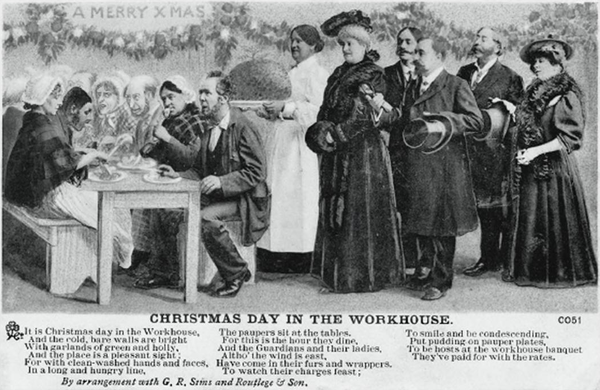
There is irrefutable evidence that our current system of care for children and young people has it roots in the workhouse system in both its underlying beliefs and in provision. In the minds of many sections of the public there are still the” deserving and undeserving poor”. There are children and parents whose misfortune brings with them sympathy for their plight and those who attract far less or indeed no sympathy at all although in fact they may be the most in need. Am I suggesting that there is a clear class issue in the provision of care for our children in public care? Yes I am. I am also suggesting that it is an issue that we have never properly addressed at any level in our professional training or work, or that our bosses whether political or organisational have addressed either . I am also suggesting that until we understand the roots of our welfare systems better and our reliance on centuries old principles that our current care system for all sections of society will remain unfit for purpose. There was some time ago a scheme that meant that some young people could access private boarding facilities but I don’t know that it was ever used successfully if at all. I wonder if it is still on the statute books. I imagine that until our general attitudes move to the genuine belief that everyone is deserving then it is not a scheme that should be revived perhaps just learning some lessons about how such excellent provision can be achieved at such low cost should be the first step. So maybe it is a long time off before children in care grace the playing fields of the public or independent schools of England.
Thank you Lemn for setting me off on that train of thought. If you read this it is rather like the way you suddenly follow a set of thoughts when you are speaking. If you the reader have not read Lemn’s book please do. My Name is Why is available through all the usual outlets.
 A question that has always bothered me but that I have not really crystallised until recent years is the one that asks is social work an art or a science. I recently reread, not every word I admit, Hugh England’s book “Social Work as Art” (1987 pub. Allen and Unwin) and whilst it had, as far as I can remember , little impact at the time I found it a helpful critique of why I and many others struggle with this dilemma. It quotes many academics and eminent thinkers in the profession in their recognition of the issue but they offer little solution. It then returns at the end of the book to some practice models which look very like something I learned on both my social work and counselling courses as process recording. What it does is explore more closely the feelings, body language, expressions, physical condition, and every aspect of the individuals appearance and behaviour as well as what they say and puts that alongside the feelings etc of the worker to construct a whole picture of any therapeutic intervention. As a learning tool it was invaluable to me particularly in understanding myself and my part in that intervention. But it has an “intellectual softness” to quote Hugh England that is unable to be quantified as evidence in reports which go to make decisions in the lives of our clients. It is not able to be offer scientifically based proof that courts for example require and therefore for purposes other than expanding our own understanding of both self and client or for helping to form a working relationship it is dismissed. Social work today wants evidence. Inspectors want measurable evidence of us being busy. We are pushed constantly towards the production of evidence , of fact, of research findings. It wants the intellectual hardness of social science.


 I can wandered the streets at will as there are no cars to avoid, no people with whom I have to engage in a strange courtly ritual dance in order to never meet. I can hear the sea, household life, my breath and the dogs name tags jingling. I can hear the town breathing and the sea washing the beaches clean and polishing the stones. I am walking in a post apocalyptic townscape not sure if it will ever be the same again wishing for the closeness of friends and family, for music to make my chest pound and my blood pressure rise and a play to make me cry into the darkness of the theatre.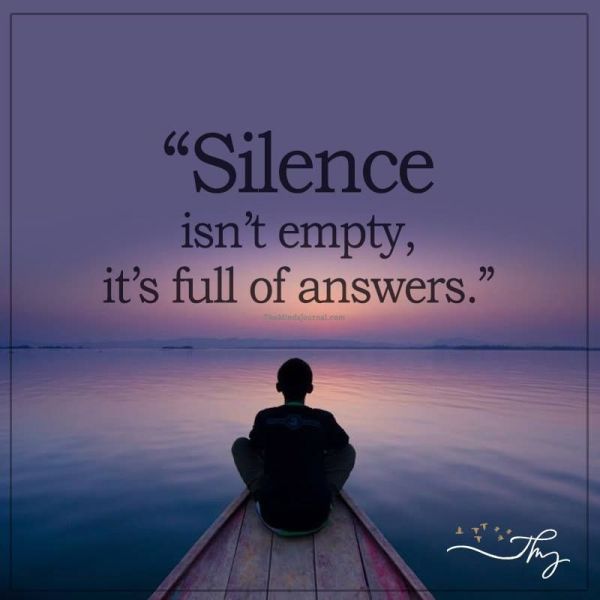

 festival every year are now paper not neatly hemmed linen. Today commemorative hankies are popular for weddings, christenings etc. Crafts people have invented ways of using vintage hankies as tablecloths, bedspreads or dolls and angels for the Christmas tree. And of course not to forget the ageless image of the holiday maker with the knotted handkerchief sunhat. A knot reminder, tie a knot in your hankie and at best you may just remember that you have forgotten something!







 The Vintage Social Worker